

Endometriosis: What you need to know
Period pain is not something you simply have to put up with. If your periods are affecting your ability to work, study, exercise or enjoy your everyday life, it’s worth talking to your doctor.
One possible cause of pelvic pain is endometriosis. Endometriosis is a common condition that can affect women during their reproductive years, and symptoms can vary considerably from person to person.
Unfortunately, delayed recognition of this potential diagnosis is common. Women and girls may be told that painful periods are normal, or that they simply need to learn to live with them.
However, effective treatments are available. The first step is talking to your GP or a gynaecologist about your symptoms to work out what treatment might be right for you.
About endometriosis
Endometriosis is a common condition, affecting up to 1 in 7 Australian women. Endometriosis occurs when tissue similar to the lining of the uterus grows outside the uterus. It can cause inflammation and scarring in the pelvis and may affect organs such as the ovaries, fallopian tubes, bowel or bladder.
Endometriosis can affect people in different ways. Some people have extensive endometriosis with relatively few symptoms, while others can experience significant pain even when there is less visible disease.
Endometriosis is a chronic condition, but there are treatments that can help manage symptoms and improve quality of life.
Endometriosis symptoms
The symptoms of endometriosis can vary, but may include:
- painful periods, particularly pain that interferes with everyday activities
- pelvic pain
- pain during or after sex
- pain when opening your bowels, particularly around your period
- pain when passing urine, particularly around your period
- heavy or irregular periods
- abdominal bloating or discomfort
- difficulty becoming pregnant.
Not everyone with endometriosis experiences all of these symptoms.
If period or pelvic pain is affecting your quality of life, it’s important to seek medical advice. There are several other conditions that can cause similar symptoms, so getting an assessment is an important first step.
Diagnosing endometriosis
Your doctor will ask about your symptoms and medical history and may perform a pelvic examination.
You may also be referred for an ultrasound or other imaging to look for signs of endometriosis or other causes of pelvic pain.
A normal ultrasound does not necessarily mean that you don’t have endometriosis. Your symptoms and examination findings are also important when making a diagnosis and deciding whether further investigation or treatment is appropriate.
Treatment for endometriosis
There is no single treatment that is right for everyone with endometriosis. Treatment will depend on your symptoms, the extent of the disease, your age and your reproductive plans, as well as your own preferences.
Hormonal treatment
Hormonal treatments can help reduce or control endometriosis symptoms by suppressing ovulation and menstruation.
Depending on your circumstances, options may include the oral contraceptive pill, progesterone-based treatments or other hormonal medications.
Pain management
Pain relief may be used to help manage symptoms, particularly painful periods and pelvic pain.
Many women may benefit from pelvic physiotherapy as well as other physical therapies, such as yoga, to help manage pain.
Laparoscopic surgery
For some people, surgery may be recommended if symptoms are significant, medical treatment has not provided sufficient relief, or for some women with infertility.
Laparoscopic surgery, sometimes called keyhole surgery, uses small incisions in the abdomen and a camera to examine the pelvis. The aim of surgery is to remove endometriosis while preserving healthy tissue.
Not all women with endometriosis will need a laparoscopy, so it is important to discuss with your gynaecologist whether this might play a part in your treatment plan.
Endometriosis and fertility
Endometriosis can sometimes affect fertility. However, having endometriosis does not necessarily mean that you will have difficulty becoming pregnant.
If you are trying to conceive or are concerned about your fertility, it is important to discuss this with your doctor. Your fertility goals can help guide decisions about investigation and treatment.
About Dr Madeleine Sheppard
Dr Madeleine Sheppard is an experienced Gynaecologist at Prince of Wales Private Hospital, with a special interest in endometriosis, pelvic pain and minimally invasive surgery.
Dr Sheppard trained at Royal North Shore Hospital and subsequently completed fellowships at Guy’s and St Thomas’ Hospital in London and the Royal Hospital for Women in Sydney in Advanced Laparoscopy.
Dr Sheppard consults in Bondi Junction and has a public appointment at Royal Hospital for Women.
*Whilst effort is made to ensure that the information contained on this website is accurate and informative and it has been reviewed by a qualified medical practitioner, the information is general in nature, and it should not be used as a substitute for obtaining your own professional or medical advice.
Please note that all surgical procedures carry inherent risks and benefits, which you should thoroughly discuss with your specialist before making a decision.
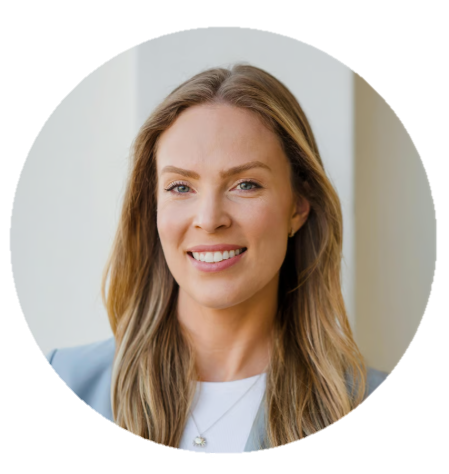
Dr Madeleine Sheppard
BMed, MD (Dist), FRANZCOG
Bondi Women’s Health
Shop 185/2A Hollywood Avenue
Bondi Junction NSW 2022
T: 02 9388 0055
F: 02 8007 0468
E: info@drsheppard.com.au